How Soon Can You Get Tested After Unprotected Sex? STI Testing Windows Explained
Most chlamydia, gonorrhea and trichomoniasis tests are reliable about 1–2 weeks after exposure. HIV, syphilis and hepatitis B usually need 3–6 weeks, with a retest around 3 months. If the exposure was high-risk for HIV, seek care within 72 hours to ask about PEP.
After unprotected sex, it is natural to want a test straight away. The problem is that every infection has a "window period", the time between exposure and when a test can reliably detect it. Testing too early can give a negative result even if an infection is present. This guide explains typical testing windows, why retesting matters, and what to do immediately after a possible exposure.
Typical STI testing windows
| Infection | Earliest reliable test | Retest |
|---|---|---|
| Chlamydia | About 1–2 weeks | If symptoms appear or as advised |
| Gonorrhea | About 1–2 weeks | If symptoms appear or as advised |
| Trichomoniasis | About 1–4 weeks | If symptoms appear |
| HIV(lab antigen/antibody) | About 3–6 weeks | Around 3 months |
| Syphilis | About 3–6 weeks | Around 3 months |
| Hepatitis B | About 3–6 weeks | Around 3 months |
| Hepatitis C (antibody) | About 8–12 weeks | As advised |
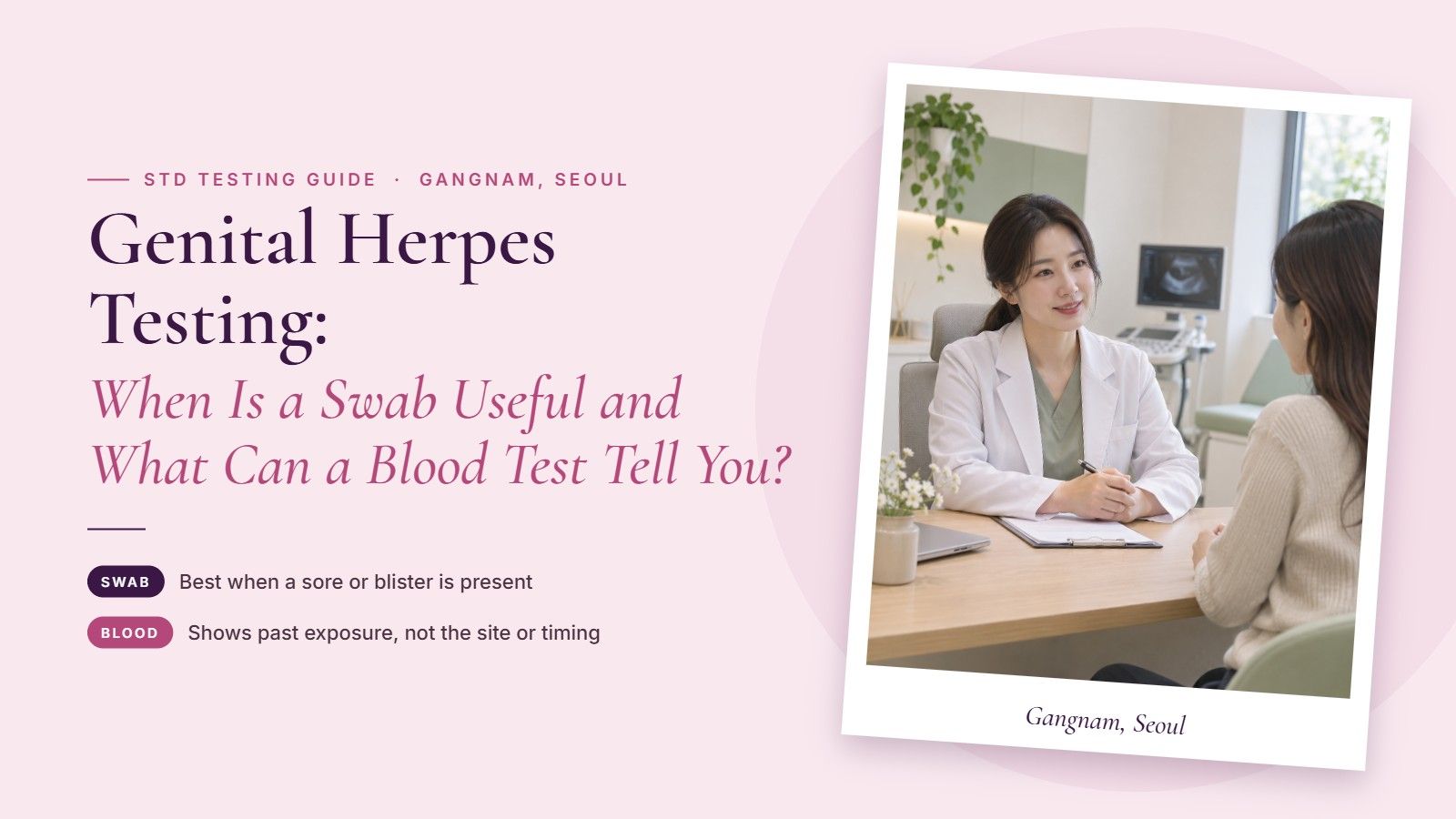
| Herpes(blood) | Up to 12 weeks or more | A sore swab is better if symptoms appear |
General guidance only. Your doctor may suggest different timing based on the exposure and the tests available.
What to do right after a possible exposure
- Within 72 hours If HIV exposure was high-risk, seek medical care urgently and ask about post-exposure prophylaxis (PEP).
- Within 5 days If pregnancy is possible, ask about emergency contraception as soon as you can.
- After 1–2 weeks Test for chlamydia, gonorrhea and trichomoniasis.
- After 3–6 weeks Test for HIV, syphilis and hepatitis B.
- Around 3 months Retest blood-borne infections to confirm a negative result.
Why testing too early can mislead you
False reassurance
A negative result inside the window period does not rule out infection.
Baseline test
Some people test early anyway to check for infections from before the recent exposure.
Symptoms change the plan
If you develop sores, discharge or pain, see a doctor without waiting for the window to pass.
Partners
Partners may need testing or treatment too, depending on the results.
Questions to ask your OBGYN
- Timing Which tests are useful now, and which should be repeated later?
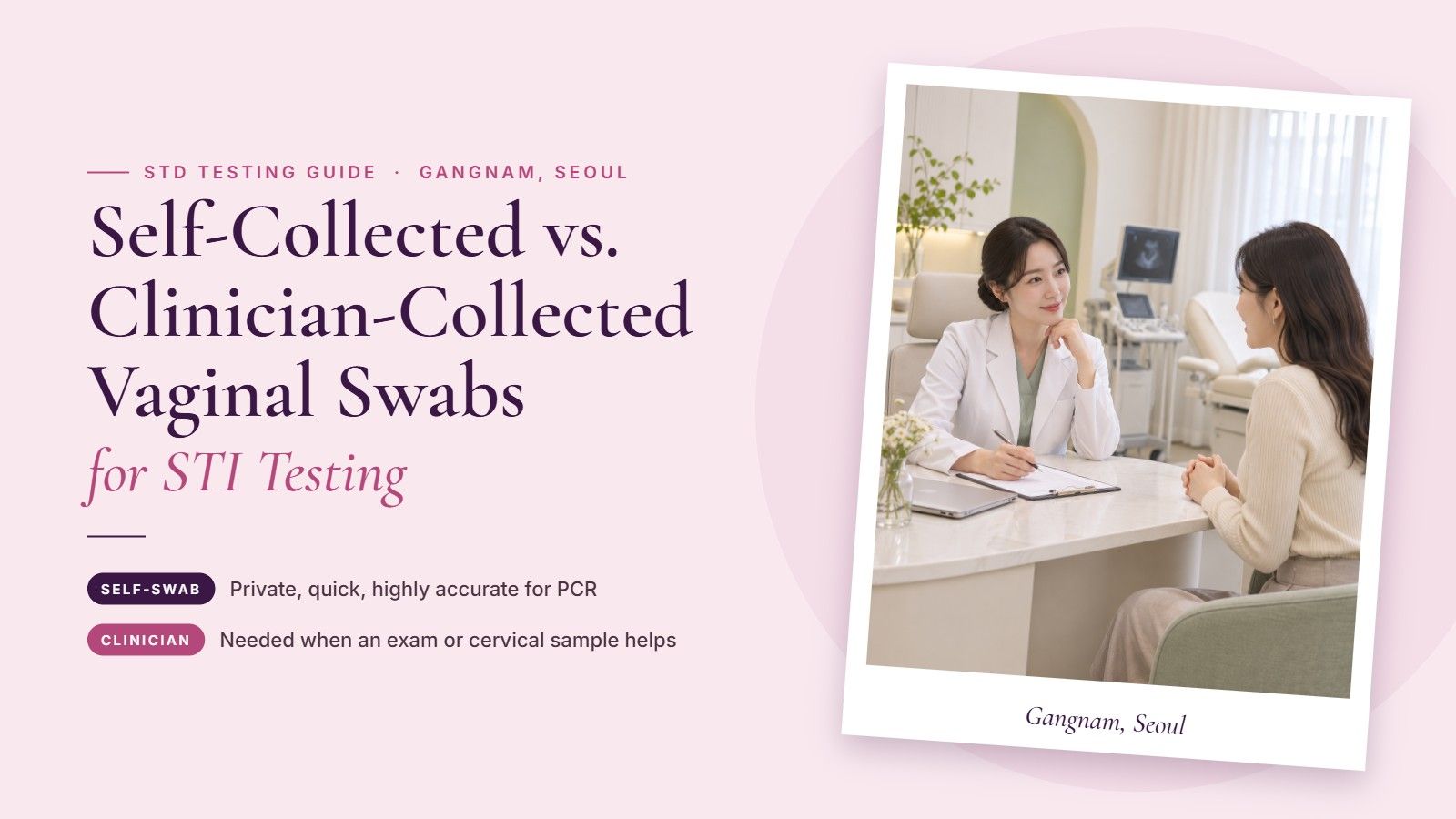
- Test type Are you using rapid tests, lab blood tests or PCR swabs?
- Prevention Do I need PEP, emergency contraception or vaccination?
- Follow-up When should I come back, and how will I get my results?
Frequently asked questions
How soon after unprotected sex can I get tested?
Many PCR tests for chlamydia, gonorrhea and trichomoniasis become reliable about one to two weeks after exposure. Blood tests for HIV and syphilis usually need three to six weeks.
Should I get tested the day after unprotected sex?
A test the next day cannot detect a new infection from that exposure. It may still be useful as a baseline, but you will usually need to test again later.
When should I retest for HIV?
A retest around three months after exposure is commonly advised to confirm a negative result.
What is PEP and when do I need it?
PEP is HIV medication started after a possible exposure. It needs to begin within 72 hours, and the sooner the better.
Do I need to wait if I have symptoms?
No. If you have symptoms such as sores, unusual discharge or pain, see a doctor promptly rather than waiting for the window period.
Not sure when to test?
Tell your doctor the date of the exposure. The right timing turns a test result into an answer you can trust.
Related guides
This article is for general information and does not replace a medical consultation. Tests, treatments and prices can vary. Please speak with a doctor about your individual situation.