Can You Get an STI Test Without Symptoms? What to Ask Your OBGYN
Yes. Many STIs, including chlamydia, gonorrhea, HPV, syphilis and HIV, often cause no symptoms at first, so screening is common even when you feel fine. Your OBGYN will use your history, timing and risk factors to choose which tests make sense for you.
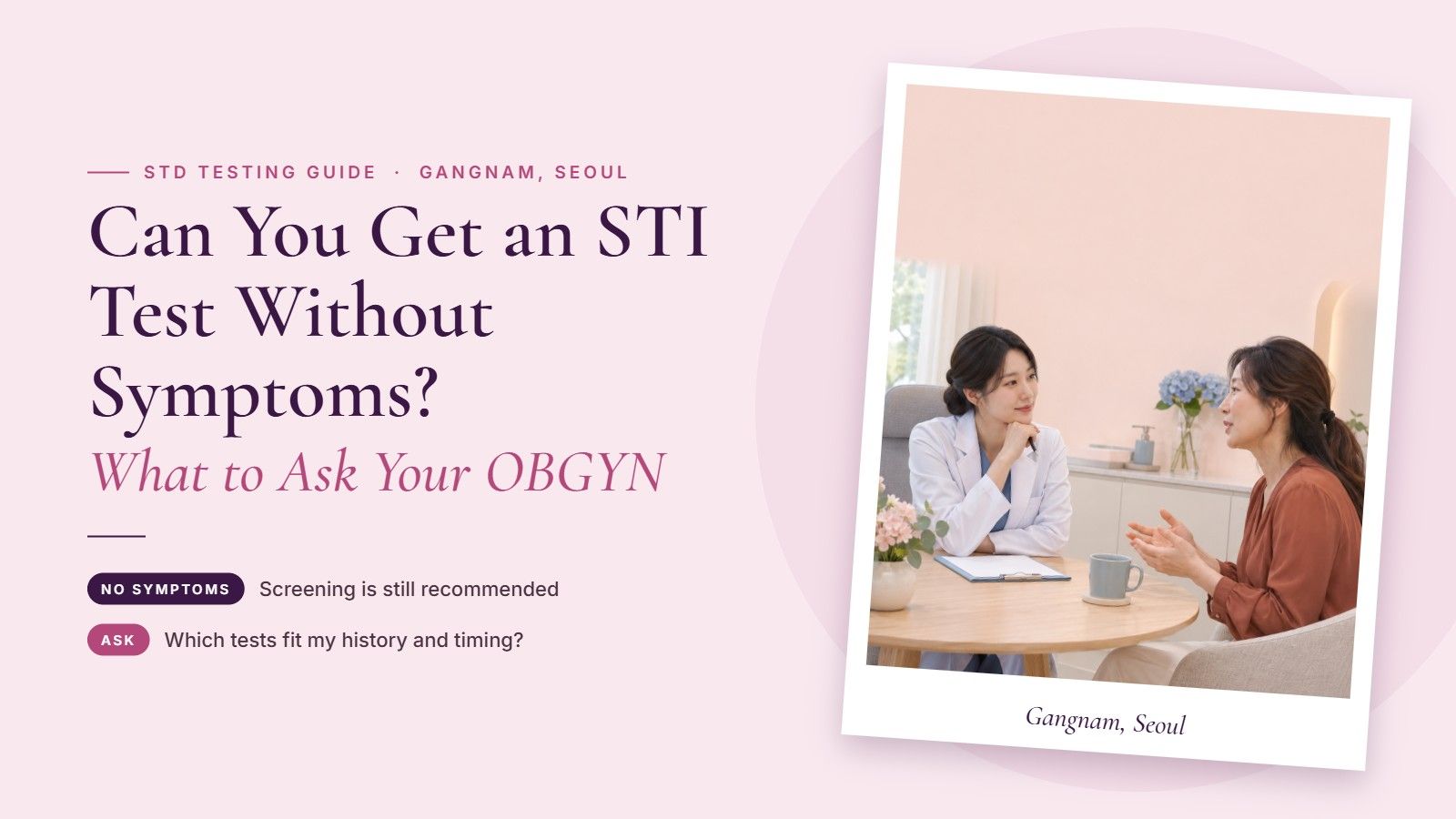
Feeling well does not always mean you are free of infection. Several common STIs stay silent for weeks, months or even years, which is exactly why routine screening exists. If you are in Seoul and want a check-up without symptoms, a short conversation with an OBGYN helps you choose useful tests instead of paying for ones you do not need.
Why test when you feel fine?
Silent infections
Chlamydia and gonorrhea often cause no symptoms in women but can lead to pelvic inflammatory disease if untreated.
Long-term health
Untreated infections can affect fertility, pregnancy and overall health.
Peace of mind
A clear result before a new relationship or after a past exposure gives certainty.
Protecting partners
Testing helps prevent passing infections on without knowing.
Which tests might be offered without symptoms?
| Situation | Tests often discussed | Why |
|---|---|---|
| New or multiple partners | Chlamydia, gonorrhea, HIV, syphilis | Most common or most important to catch early |
| Never tested before | A full STD panel | Creates a baseline |
| Partner tested positive | The specific infection plus a panel | Partners often share infections |
| Due for cervical screening | Pap smear and HPV test | Detects changes before symptoms appear |
| Planning pregnancy | HIV, syphilis, hepatitis B | Protects you and a future baby |
What to ask your OBGYN
- Which tests fit me? Share your history honestly so the doctor can recommend relevant tests only.
- How accurate is it now? Ask whether the timing since your last exposure is right for each test.
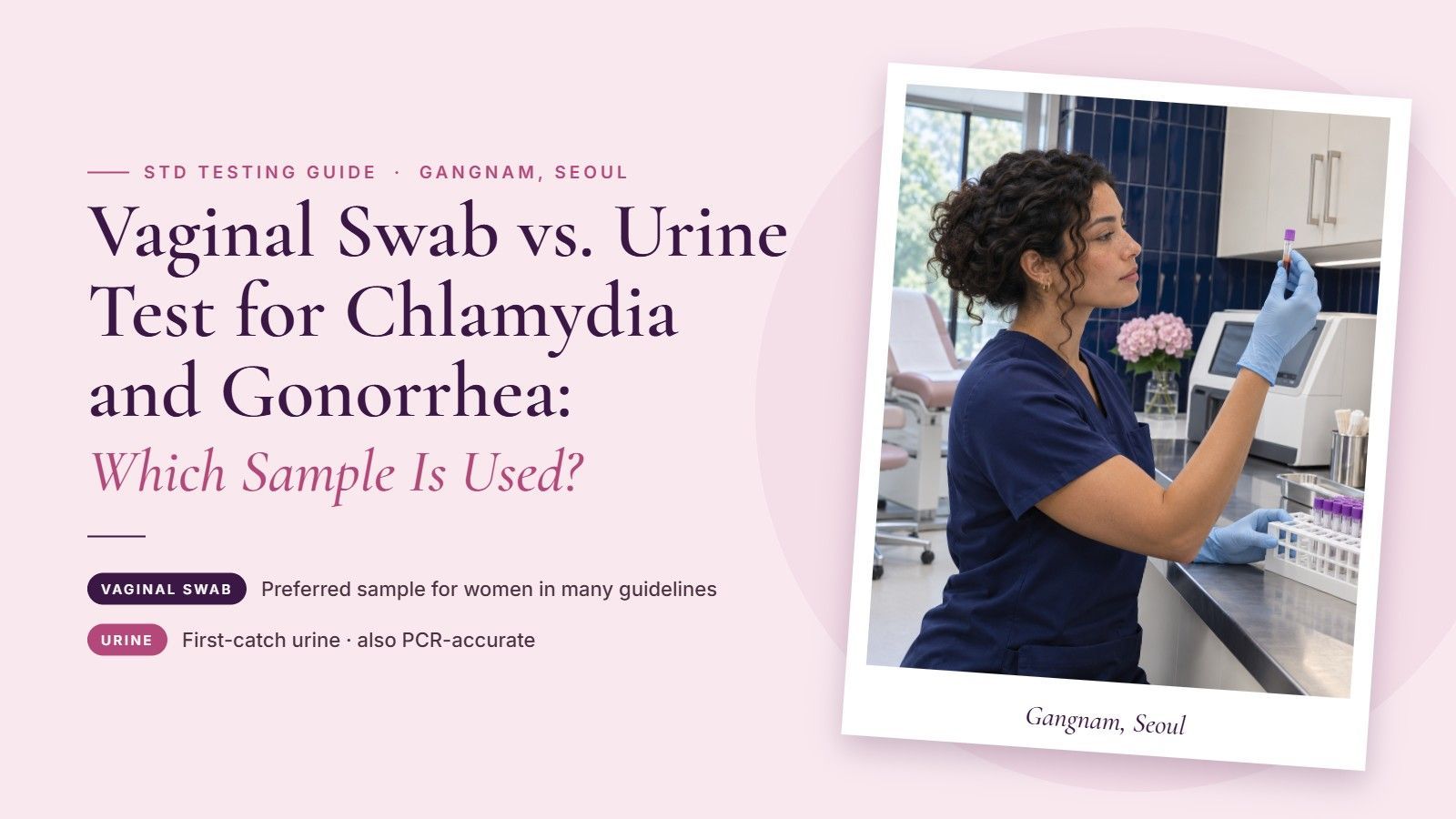
- What samples are needed? Blood, urine or a vaginal swab, and whether you can collect a swab yourself.
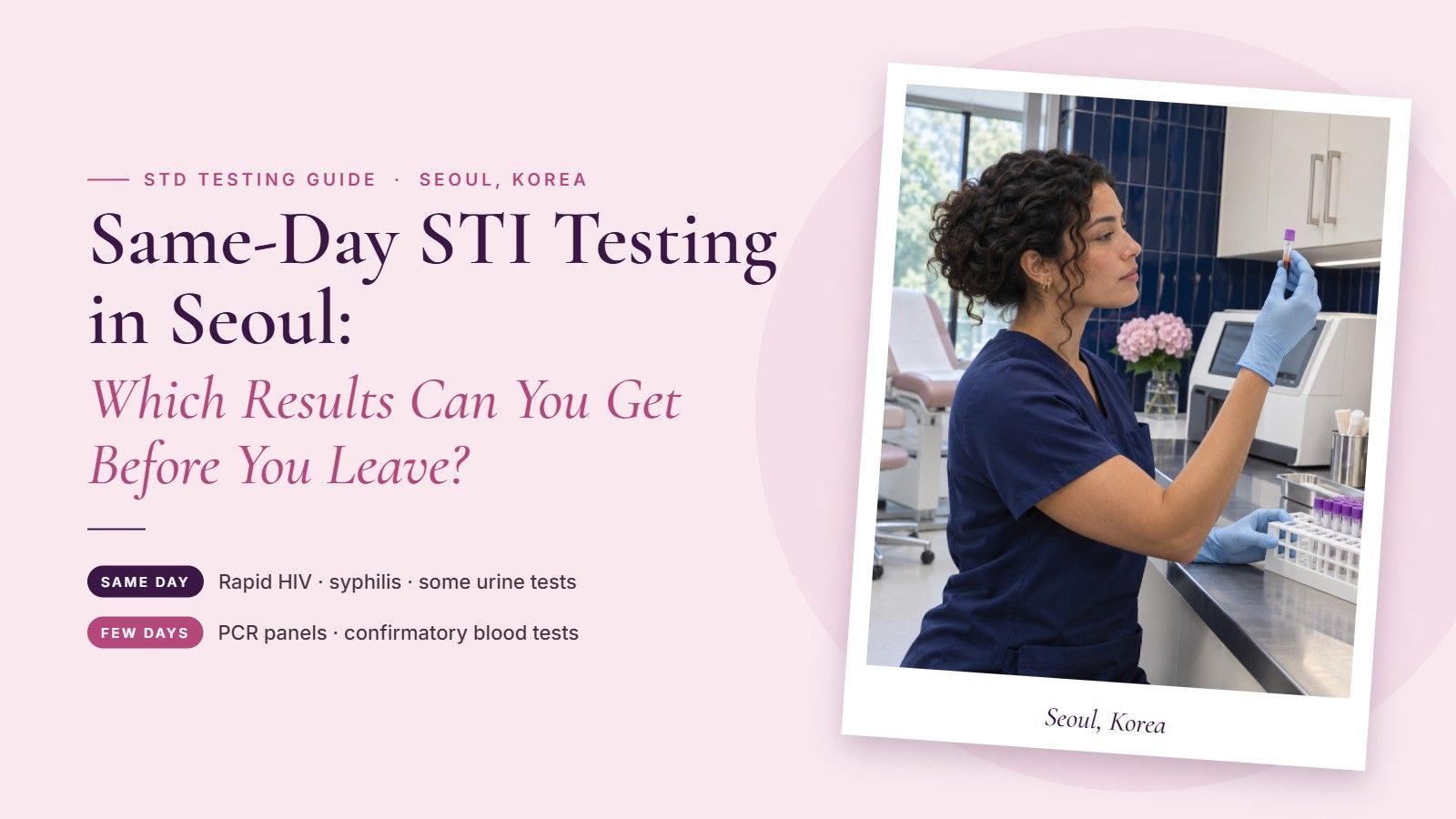
- When will I get results? Ask which results come back the same day and which take longer.
- What happens if it is positive? Ask about treatment, partner testing and retesting.
How often should you be screened?
There is no single schedule for everyone. Many guidelines suggest yearly chlamydia and gonorrhea screening for sexually active women under 25 and for others with new or multiple partners, plus HIV testing at least once. Your OBGYN can suggest a schedule based on your age, relationships and history.
- Yearly Common for people with new or multiple partners.
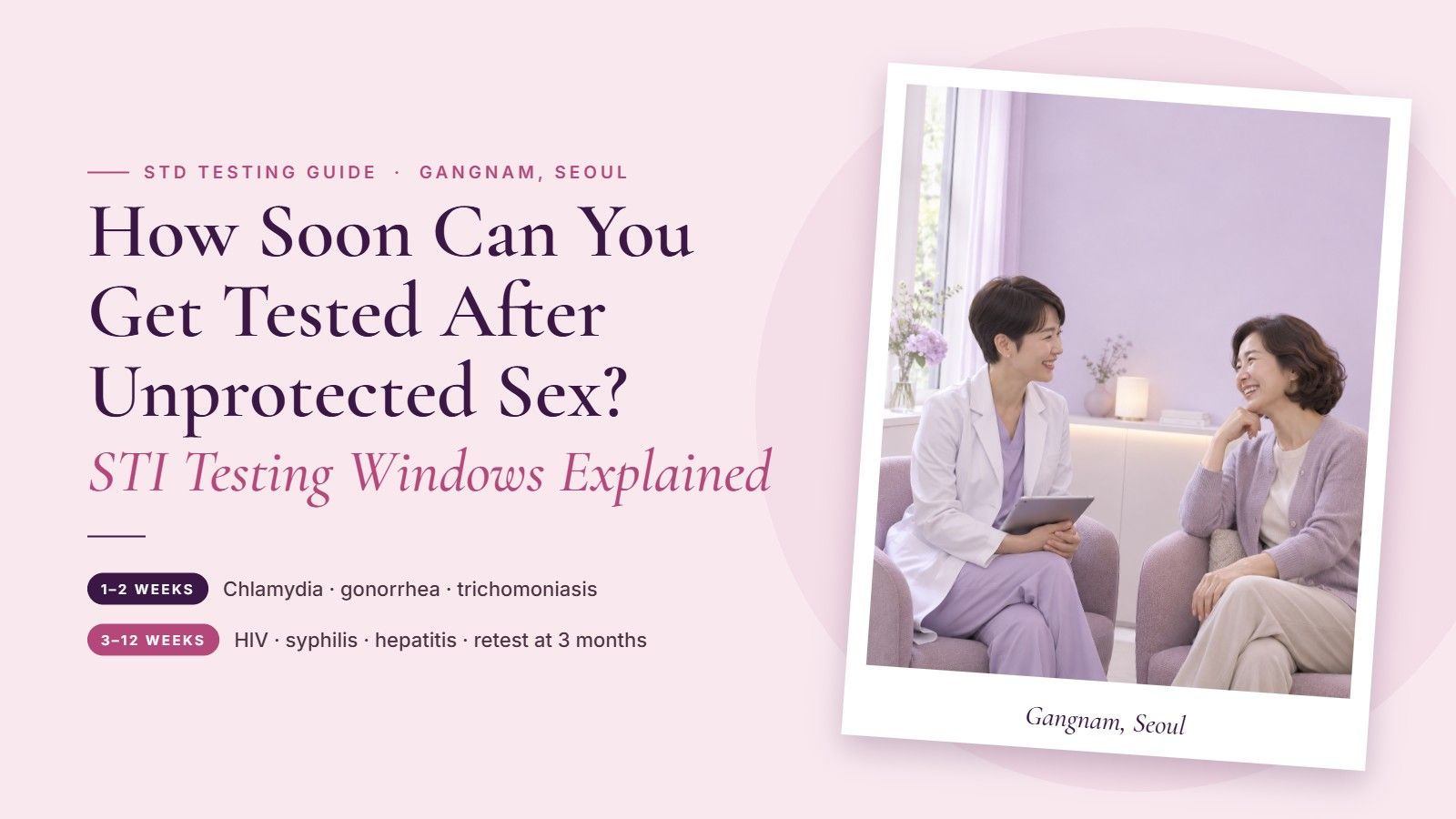
- After a new partner A good time for a check, ideally after the window period.
- Before pregnancy Screening is part of preconception care.
- With cervical screening Many people combine STI tests with a Pap smear visit.
Frequently asked questions
Can I get an STI test without symptoms in Seoul?
Yes. Screening without symptoms is common, and many clinics in Seoul offer it without a referral.
Which STIs often have no symptoms?
Chlamydia, gonorrhea, HPV, syphilis, HIV and hepatitis B can all be silent, especially in the early stages.
Is screening without symptoms covered by insurance?
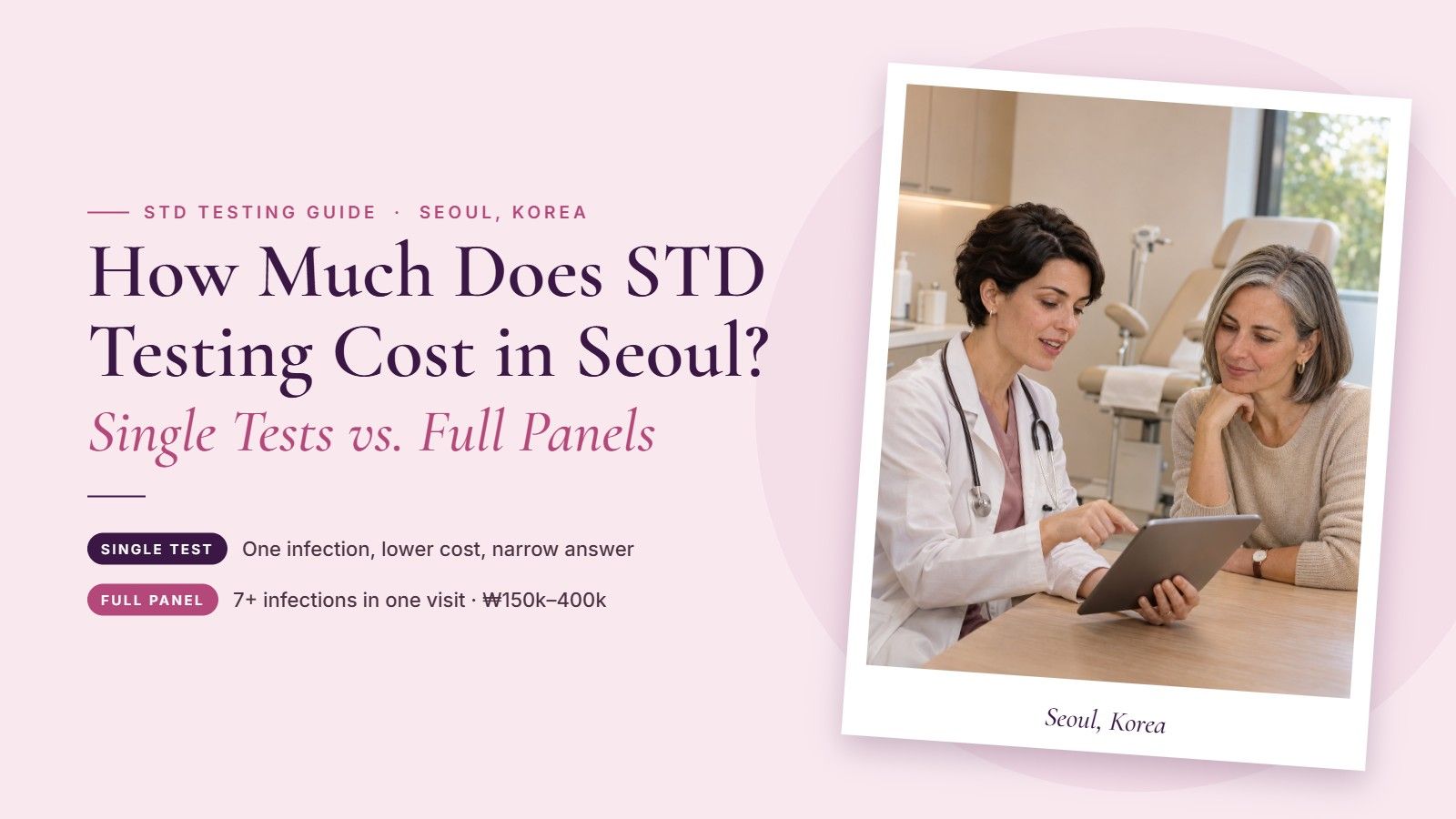
Screening without symptoms is usually paid out of pocket. Ask for an itemized quote before testing.
How do I know which tests to ask for?
Tell your OBGYN about your partners, past results and the timing of any exposures. They will recommend tests that fit your situation.
How often should I get tested?
Many people test yearly or after a new partner. Your doctor can tailor the schedule to your history.
Feeling fine is a good time to test
A short consultation turns a vague worry into a clear plan, with only the tests that are useful for you.
Related guides
This article is for general information and does not replace a medical consultation. Tests, treatments and prices can vary. Please speak with a doctor about your individual situation.