Mycoplasma Genitalium Testing: When Is It Worth Discussing With Your OBGYN?
Mycoplasma genitalium testing is usually discussed when you have persistent or recurring symptoms such as discharge, pelvic pain or bleeding after sex, when a partner tests positive, or when other STI tests are negative. Routine screening without symptoms is not generally recommended.

Mycoplasma genitalium is a sexually transmitted bacterium that is often missed because it is not part of every standard panel. It can cause cervicitis and pelvic inflammatory disease, and it is increasingly resistant to some antibiotics. Knowing when testing is useful helps you avoid both missed infections and unnecessary treatment.
When testing is worth discussing
Persistent symptoms
Discharge, bleeding after sex or pelvic pain that continues after treatment.
Partner positive
A partner has tested positive for M. genitalium.
Negative standard tests
Symptoms but negative chlamydia and gonorrhea results.
Pelvic inflammatory disease
Testing may be part of the work-up.
How testing works
| Step | What happens |
|---|---|
| Sample | Vaginal swab or first-catch urine |
| Test | PCR / NAAT |
| Resistance testing | Some labs check for macrolide resistance markers |
| Result time | Usually 1–3 working days |
Why routine screening is not usually advised
- Uncertain benefit Many people without symptoms clear the infection or never develop problems.
- Antibiotic resistance Treating everyone who tests positive may increase resistance.
- Focused testing Testing people with symptoms or exposure gives more useful results.
- Your history matters Your OBGYN can explain whether testing is right for you.
Questions to ask your OBGYN
- Do my symptoms fit? Describe what you notice and when it started.
- Is resistance testing available? It helps choose an effective antibiotic.
- Do I need a test of cure? Often advised after treatment because of resistance.
- Should my partner be tested? Partners may need testing and treatment.
Frequently asked questions
What is Mycoplasma genitalium?
It is a sexually transmitted bacterium that can cause cervicitis and pelvic inflammatory disease, though many people have no symptoms.
Should everyone be tested for Mycoplasma genitalium?
Routine screening without symptoms is not generally recommended. Testing is usually focused on people with symptoms or exposure.
How is it treated?
Treatment usually involves specific antibiotics chosen based on resistance testing when available.
Why is a test of cure recommended?
Resistance is common, so a repeat test after treatment helps confirm the infection has cleared.
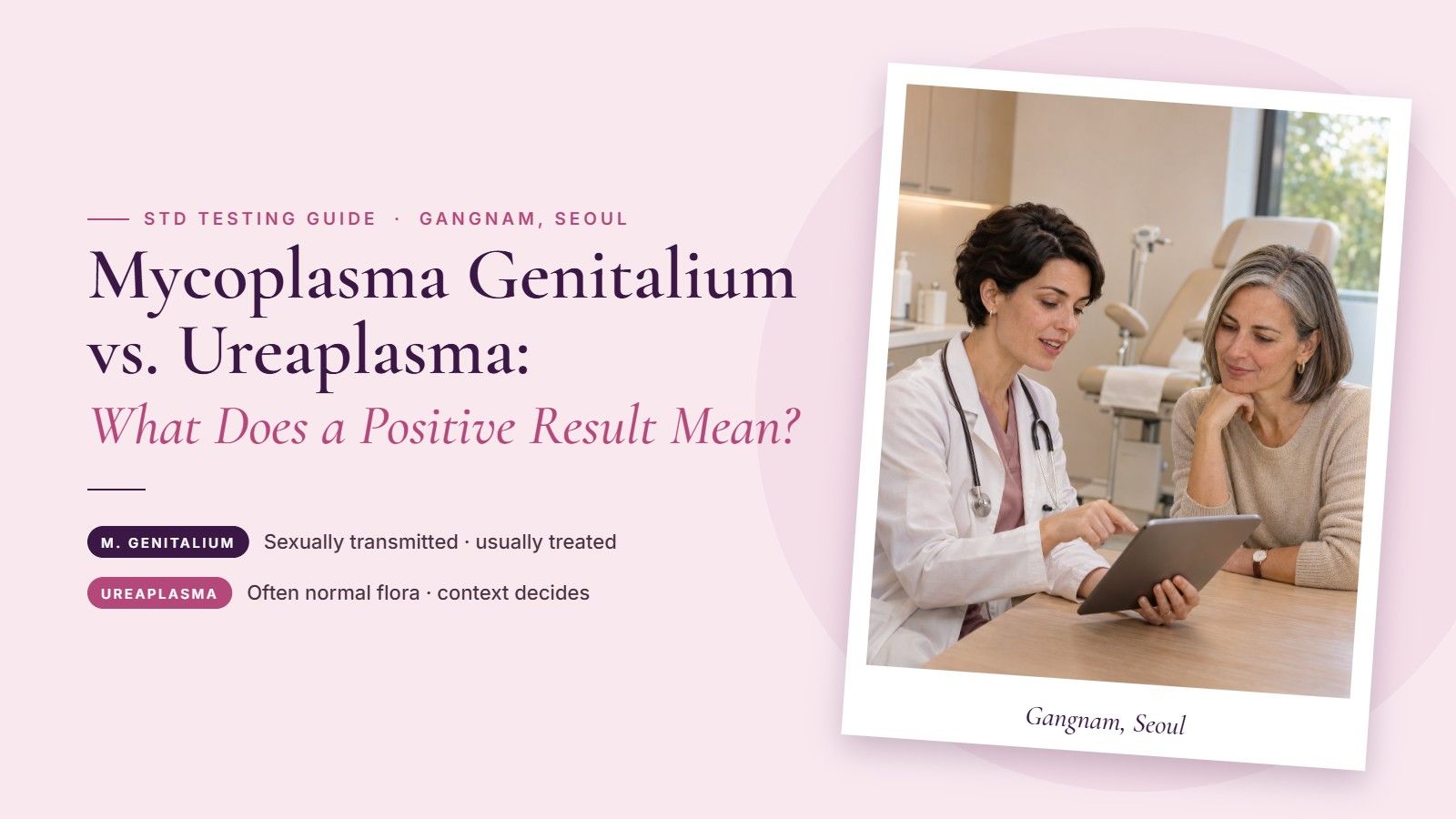
Is it the same as Ureaplasma?
No. Ureaplasma is a different organism that is often part of normal flora.
Symptoms that won't settle?
Ask your OBGYN whether Mycoplasma genitalium testing fits your situation.
Related guides
This article is for general information and does not replace a medical consultation. Tests, treatments and prices can vary. Please speak with a doctor about your individual situation.