Can Antibiotics You Already Took Affect Your STI Test Results?
Yes, they can. Recent antibiotics may lower the amount of bacteria and lead to a false negative for infections such as chlamydia, gonorrhea and mycoplasma. They do not affect viral blood tests like HIV or hepatitis. Tell your doctor the drug name, dose and dates so testing can be timed correctly.
Many people take antibiotics for a sore throat, urinary infection or dental problem, then wonder whether an STI test will still be accurate. The answer depends on which antibiotic you took, how long ago, and which infection is being tested. Sharing the details helps your doctor interpret results correctly.
Which tests can be affected?
| Test | Affected by antibiotics? | Why |
|---|---|---|
| Chlamydia / gonorrhea PCR | Possibly | Some antibiotics treat these infections |
| Mycoplasma / Ureaplasma PCR | Possibly | Some antibiotics are active against them |
| Trichomoniasis | Possibly with metronidazole | It is the usual treatment |
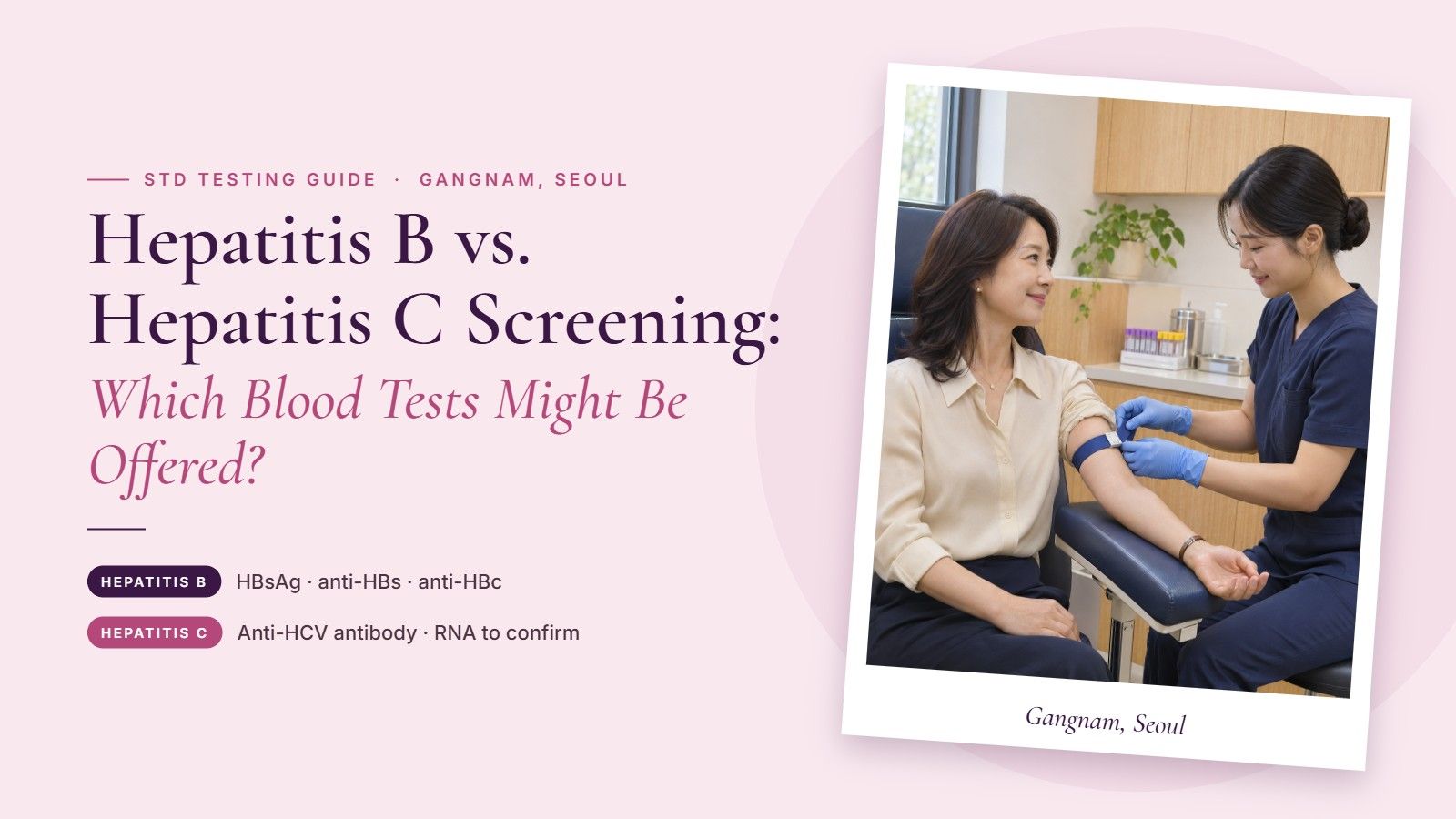
| HIV, hepatitis B and C | No | These are viral infections |
| Syphilis blood tests | Usually not for screening | Treatment may change levels over time |
What to tell your doctor
- Antibiotic name For example azithromycin, doxycycline or amoxicillin.
- Dose and duration How much and for how many days.
- Dates When you started and finished.
- Why it was prescribed Helps judge whether it may have treated an STI.
Timing your test after antibiotics
Testing too soon
A negative result may not be reliable if bacteria were partly suppressed.
Waiting a few weeks
Your doctor may suggest testing after a gap, often around 2–4 weeks.
Symptoms persist
Get checked even if you took antibiotics; symptoms need assessment.
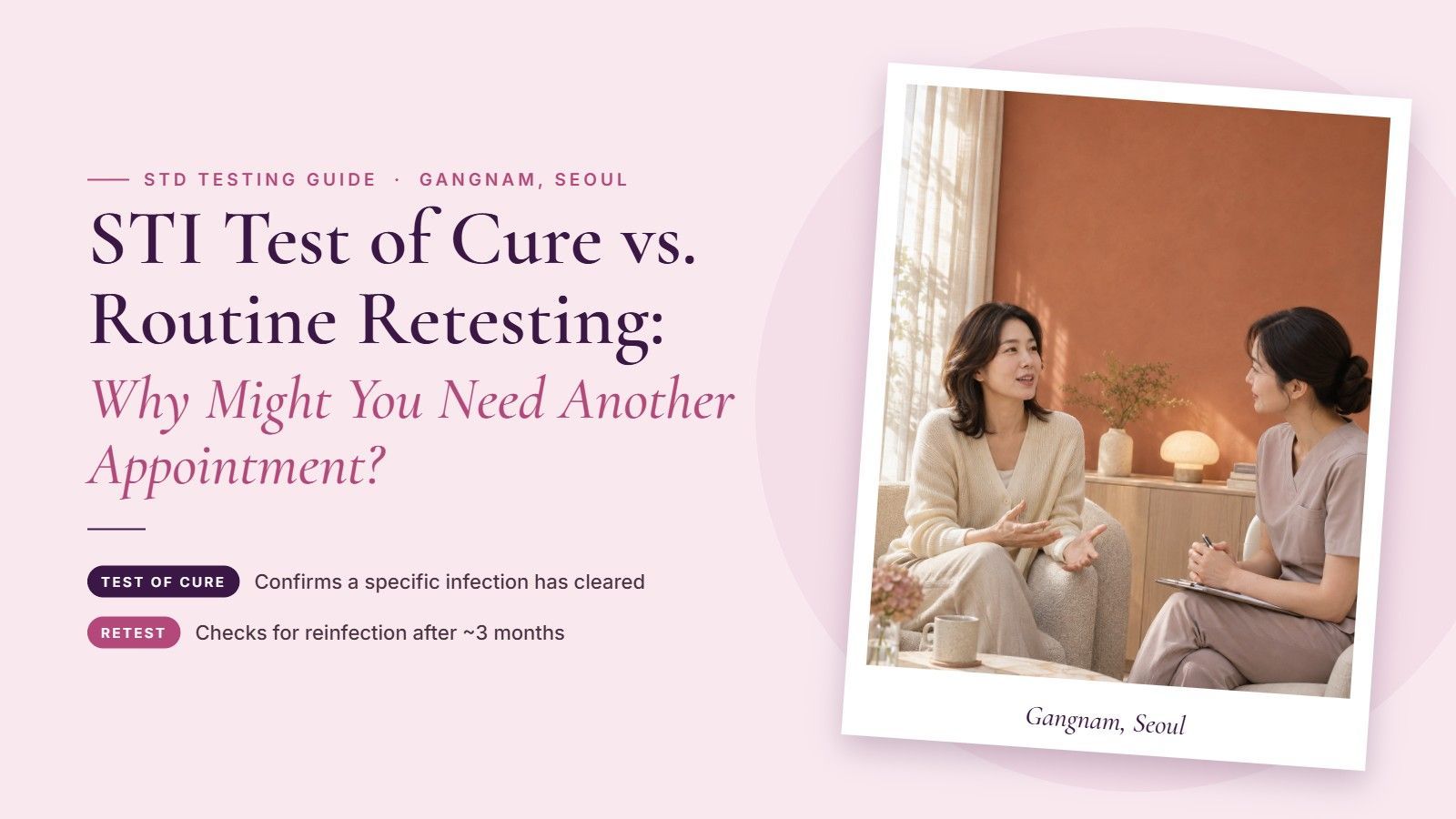
Test of cure
After STI treatment, testing too early can detect leftover genetic material.
How to plan your visit
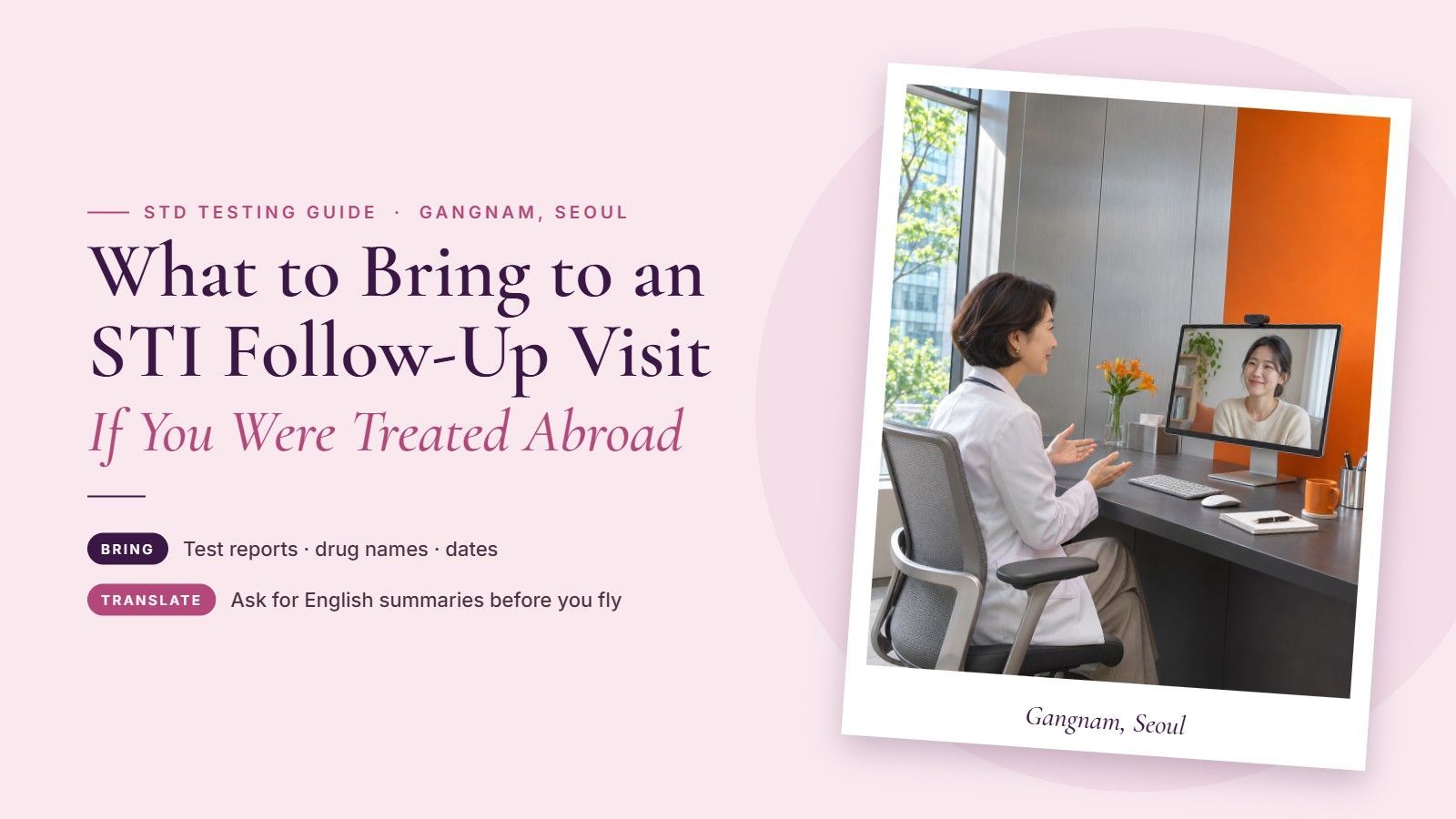
- Bring your prescription A photo of the box or prescription is helpful.
- Describe symptoms Note when they started and whether they changed.
- Agree on timing Ask whether to test now, later or both.
- Plan follow-up Ask when to come back if results are unclear.
Frequently asked questions
Can antibiotics cause a false negative STI test?
Yes. Recent antibiotics can reduce bacteria levels and cause a false negative for some bacterial STIs.
Do antibiotics affect HIV tests?
No. HIV and hepatitis are viral infections and are not affected by antibiotics.
How long should I wait to test after antibiotics?
It depends on the drug and the infection. Your doctor may suggest waiting a few weeks.
Could my antibiotics have cured an STI?
Some antibiotics treat certain STIs, but not always at the correct dose or duration.
Should I still test if I feel better?
Yes, if you had a possible exposure. Feeling better does not always mean an infection has cleared.
Took antibiotics recently?
Mention it before your samples are taken so your results can be read correctly.
Related guides
This article is for general information and does not replace a medical consultation. Tests, treatments and prices can vary. Please speak with a doctor about your individual situation.